


-

Add: HeBei ShengShi HongBang Cellulose Technology CO.,LTD.
-

Email
13180486930@163.com -

CONTACT US
+86 13180486930
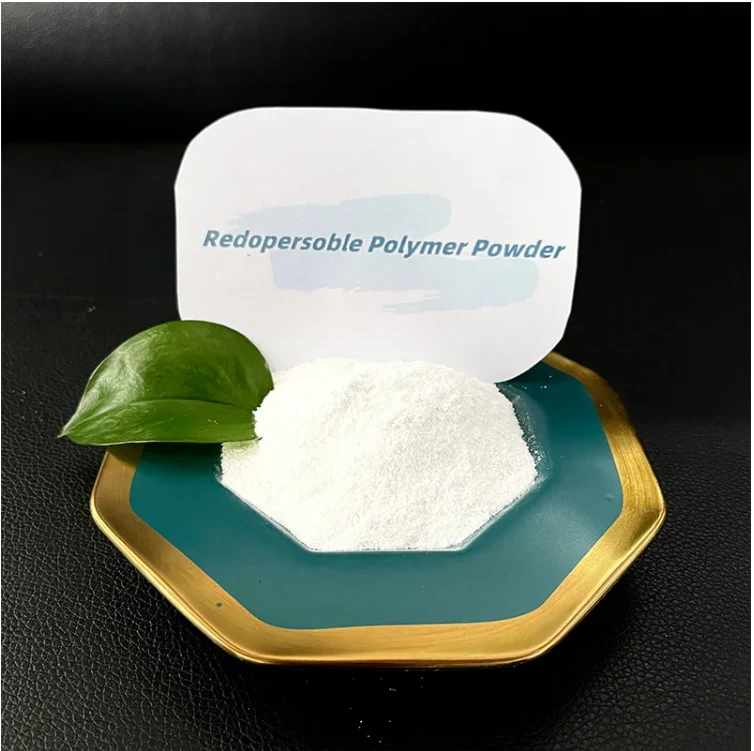

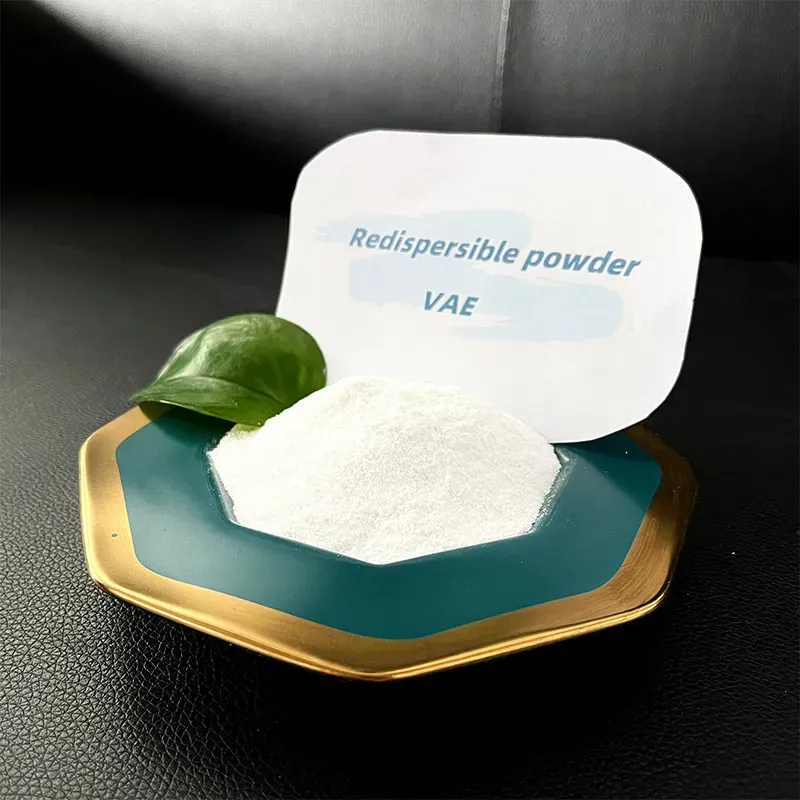


Polymer powder is a key ingredient in many industries, providing critical properties to products in construction, adhesives, coatings, and more. With its wide range of applications, polymer powder enhances the performance, durability, and flexibility of finished products. Available in various forms, polymer powder s can be tailored to meet the specific needs of different applications, making them a versatile choice for manufacturers worldwide. Whether you're working in construction, paints, or textiles, polymer powder offers the ideal solution for improving your products’ functionality. Explore Our Range of Colored Polymer Powder If you need vibrant, long-lasting colors in your products, colored polymer powder is the way to go. Whether you're producing construction materials, decorative coatings, or consumer goods, colored polymer powder offers an efficient way to introduce rich, stable colors into your products. Our premium colored polymer powder is designed to maintain its brightness and consistency, ensuring your products stand out. With a wide selection of shades, you can achieve the exact color you need while maintaining high quality and performance. The Benefits of Redispersible Polymer Powder Redispersible polymer powder is a game-changer in many industrial applications. Unlike traditional resins, redispersible polymer powder can be re-dispersed in water to create a solution, which offers greater convenience and efficiency for various processes. Widely used in adhesives, tile grout, and plaster, redispersible polymer powder enhances bonding strength, flexibility, and durability. This type of polymer powder is particularly valued in the construction and building materials sectors, providing superior performance while reducing transportation and storage costs. Discover the many benefits of using redispersible polymer powder in your formulations today. What Influences Polymer Powder Price? When considering polymer powder price , it’s important to understand the factors that affect the cost. The polymer powder price can vary depending on the type of polymer used, the quantity purchased, and the specific application for which the powder is intended. High-performance polymer powder may be priced higher due to its specialized formulations, while larger orders typically reduce the cost per unit. Additionally, polymer powder price can also depend on the presence of additives, colorants, and whether the polymer powder is customized for particular applications. To ensure you're getting the best value for your needs, always consider both the performance and the cost-effectiveness of the polymer powder price . Why Choose Our Polymer Powders for Your Business? Our polymer powder products are crafted with the highest standards of quality and performance, ensuring that your manufacturing processes run smoothly. From colored polymer powder to redispersible polymer powder , we offer a comprehensive selection that suits a wide variety of industries. Our polymer powder solutions are designed to enhance the quality of your final products, increase production efficiency, and offer cost-effective solutions for your business. With competitive polymer powder price s, we guarantee the best value for your investment. Whether you need a specialized formula or a standard polymer powder , our products are the perfect addition to your production line. Polymer Powders FAQs What is polymer powder? Polymer powder is a fine, dry material made from polymers, typically used in various industrial applications to improve the properties of products like adhesives, coatings, and construction materials. It is valued for its ability to enhance flexibility, strength, and durability in the final product. Polymer powder can come in different types, such as colored polymer powder or redispersible polymer powder , each serving specific functions depending on the industry. What is colored polymer powder used for? Colored polymer powder is primarily used to add vibrant colors to products such as construction materials, coatings, and consumer goods. The color pigments are stable and long-lasting, ensuring that the final product maintains its color over time, even under challenging conditions. It’s ideal for applications where both color and performance are important, making it perfect for industries like construction, automotive, and packaging. What is redispersible polymer powder and how is it used? Redispersible polymer powder is a special type of polymer powder that can be re-dispersed in water, forming a solution that can be easily applied in a variety of industrial processes. It’s commonly used in adhesives, tile grouts, and plaster, where it improves bonding strength, flexibility, and water resistance. The ability to re-dispense the polymer powder in water makes it a more convenient and cost-effective solution for many manufacturing processes. How does the polymer powder price vary? The polymer powder price depends on several factors, including the type of polymer used, the quantity purchased, and whether any special additives or colors are involved. Specialty redispersible polymer powder sand colored polymer powder s often come at a higher price due to their advanced formulations. Additionally, larger volume purchases can reduce the polymer powder price per unit, offering better cost-effectiveness for bulk orders. Why should I choose your polymer powders? Our polymer powder sare craftedto meet the highest standards of quality, ensuring that your products perform at their best. We offer a wide selection of colored polymer powder s and redispersible polymer powder s, all designed to enhance the durability, flexibility, and performance of your products. Our polymer powder price is competitive, offering you the best value for your investment. Whether you’re in construction, coatings, or any other industry, we have the perfect polymer powder solution for you.
- 40000tons

Production
- 20+years

Experience
- 5000+㎡

Acreage

-
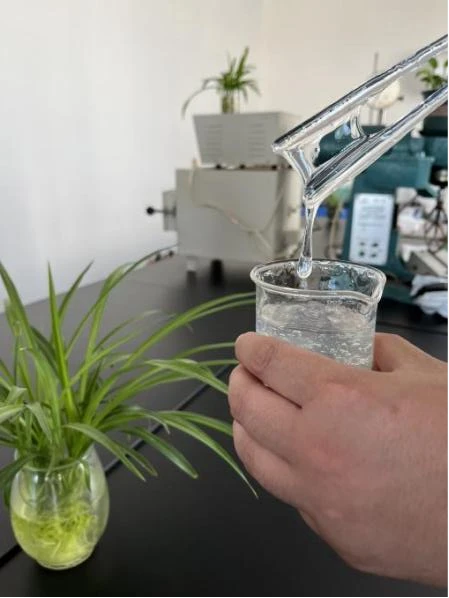
In modern construction and industrial applications, materials like redispersible polymer powder , vinyl acetate ethylene copolymer powder , and redispersible latex powder have transformed traditional practices. These advanced powders enhance performance, durability, and flexibility, enabling industries to meet contemporary demands. Meanwhile, innovations such as LDPE powder add to the versatility of polymer technology. Redispersible Polymer Powder: Enhancing Construction Efficiency Redispersible polymer powder is a key ingredient in cementitious and gypsum-based products, offering superior binding and flexibility. It works by redistributing when mixed with water, forming a film that strengthens mortar, adhesives, and plasters. The powder’s ability to improve adhesion, flexibility, and water resistance has made it indispensable in modern construction projects. Contractors rely on redispersible polymer powder to enhance tile adhesives, self-leveling compounds, and external insulation systems. Its easy integration into dry mix formulations simplifies production and application, making it a go-to solution for efficient and durable results. Vinyl Acetate Ethylene Copolymer Powder: The Backbone of Flexibility Among advanced construction materials, vinyl acetate ethylene copolymer powder stands out for its unique properties. This versatile copolymer enhances the performance of construction products by providing improved elasticity, adhesion, and crack resistance. Its ability to act as a stabilizing agent makes it ideal for applications like waterproofing membranes, grouts, and render systems. The synergy between vinyl acetate ethylene copolymer powder and other components, such as cement, creates durable and flexible formulations. By selecting high-quality redispersible polymer powder , which often includes this copolymer, manufacturers can meet the growing demands of the construction industry for more sustainable and reliable products. Redispersible Latex Powder: Versatility Across Applications For manufacturers seeking a material that offers multi-functional benefits, redispersible latex powder is an excellent choice. This innovative powder improves water retention, adhesion, and flexibility in a wide range of products, including tile adhesives, mortars, and sealants. Its redispersible nature makes it easy to transport and mix, streamlining the manufacturing process. In addition to its construction applications, redispersible latex powder plays a role in other industries, such as textiles and coatings. Its compatibility with various additives allows for customization, enabling businesses to create tailored solutions that meet specific needs. With its reliability and ease of use, redispersible latex powder remains a trusted material across sectors. LDPE Powder: Expanding Polymer Applications Complementing the benefits of redispersible polymer powder is LDPE powder , a material known for its flexibility and chemical resistance. Low-density polyethylene (LDPE) in powdered form offers a range of applications, from industrial coatings to plastic manufacturing. Its ability to enhance surface smoothness and impact resistance makes it a valuable addition to diverse industries. In construction, LDPE powder is often used to improve the performance of paints, adhesives, and waterproofing products. Its lightweight and non-toxic nature further contribute to its popularity. When combined with vinyl acetate ethylene copolymer powder or redispersible latex powder , it creates synergistic effects that maximize the durability and efficiency of the final product. Why Choose Redispersible Polymer Powder for Your Needs? Investing in high-quality redispersible polymer powder ensures improved performance and efficiency across various applications. Its ability to strengthen and enhance flexibility makes it an essential material in construction, while its compatibility with innovations like vinyl acetate ethylene copolymer powder and redispersible latex powder expands its versatility. For industries looking to optimize processes and products, materials such as LDPE powder provide additional opportunities for innovation. By leveraging the strengths of these advanced polymers, businesses can create solutions that are both cost-effective and environmentally friendly. Embrace the future of construction and manufacturing with redispersible polymer powder , vinyl acetate ethylene copolymer powder , and LDPE powder . These cutting-edge materials are paving the way for stronger, more sustainable, and more versatile products.
-
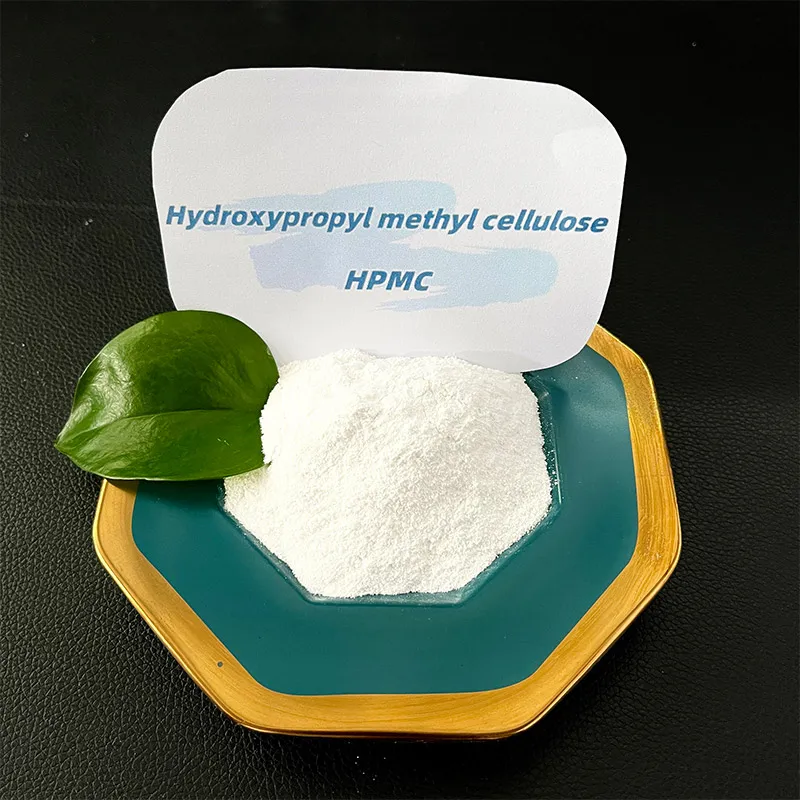
Hydroxypropyl starch phosphate is rapidly gaining traction as a prominent ingredient in the food , pharmaceutical, and personal care industries. This innovative starch derivative is a testament to modern scientific advancements, transforming traditional starch-rich ingredients into more versatile solutions. This modified starch is created by treating regular starch with propylene oxide and phosphoric acid, resulting in a compound that boasts superior stability and functionality. Its primary application lies in its thickening, texturizing, and stabilizing properties, which cater to an array of product formulations across various sectors. In the food industry, hydroxypropyl starch phosphate is celebrated for its ability to enhance the texture and shelf-life of consumables. Its unique structure allows it to withstand processing conditions that might typically degrade regular starch, such as extreme temperatures or varying pH levels. This makes it an excellent choice for canned soups, sauces, and frozen desserts that require consistent quality over time. By resisting retrogradation, it ensures that products maintain their desired texture without becoming gritty or separating, offering a more satisfying experience to consumers. The pharmaceutical sector also benefits significantly from the incorporation of hydroxypropyl starch phosphate. It acts as an excipient, playing an essential role in drug formulation. It helps in the stabilization of active ingredients, ensuring that medications are effective throughout their shelf life. Additionally, its solubility and binding properties facilitate the creation of tablets and capsules that dissolve at the desired rate, optimizing drug delivery. Meanwhile, in personal care products, this starch derivative functions as a thickener and stabilizer in creams, lotions, and hair care items. Its ability to maintain viscosity, even in the presence of electrolytes common in such products, enhances the sensory experience of users, providing smooth application and consistent efficacy. hydroxypropyl starch phosphate From a professional standpoint, the incorporation of hydroxypropyl starch phosphate into products not only aligns with quality assurance standards but also meets the growing consumer demand for sustainable and efficacious ingredients. As manufacturers strive to develop goods that combine performance with eco-friendliness, this starch emerges as an ideal choice. It is derived from natural resources and can be tailored to have specific attributes that reduce the need for synthetic additives, thus offering an environmentally friendly alternative. When considering the regulatory landscape, hydroxypropyl starch phosphate has been deemed safe by food safety authorities, including the FDA and EFSA. It is important to note, however, that manufacturers must adhere to specific usage limits and purity criteria to ensure compliance and to harness its full benefits responsibly. The rise of hydroxypropyl starch phosphate is a testament to how innovation in starch modification can drive significant improvements in product performance across diverse applications. Its versatility, coupled with the ability to customize its properties, makes it an invaluable asset to those aspiring to push the boundaries of product development. Yet, while this ingredient shows immense potential, it is crucial to continue exploring its properties and capabilities through rigorous research and development. This ensures that industries remain at the forefront of discovery, consistently offering superior products that enhance consumer satisfaction and loyalty. By focusing on using hydroxypropyl starch phosphate in innovative ways, companies can lead the charge in developing cutting-edge products that meet the demands of modern consumers. It stands as a powerful tool in the arsenal of formulators looking to craft the next generation of high-quality, sustainable goods.
advantages
-

200000 Viscosities
Excellent product
We can produce pure products up to 200,000 viscosities
-

40000 tons
High yield
We don’t stop production all year round, and the annual output can reach 40,000 tons
-

24 hours
Quality service
We provide 24-hours online reception service, welcome to consult at any time
———— Inquiry Form
Schedule A services
-
 difference_between_hpmc_k4m_and_k100m
Oct . 25, 2025
The Cost of Polypropylene Fiber An Overview Polypropylene fiber, derived from the polymerization of - pure_synthetic_fibre
Oct . 25, 2025
Understanding the Price of Dispersible Polymer Powder Trends and Implications The global market for -
 kuni_na_kemia_ya_selulosi
Oct . 25, 2025
How to Make HPMC Gel A Step-by-Step Guide Hydroxypropyl methylcellulose (HPMC) is a versatile polyme


